Wales’ Solar Mandate
From March 2027, Wales will require renewable electricity generation in every new‑build home - effectively making solar the go‑to choice for developers. Published: March 17, 2026


The Warm Homes Plan is a long‑term government programme focused on improving the energy performance of homes across the UK. It aims to reduce energy demand, cut household bills and tackle issues such as cold homes, damp and mould.
Reducing household energy bills
Improving insulation and building fabric
Supporting low‑carbon heating systems
Increasing renewable energy generation in homes
Addressing cold, damp and unhealthy living conditions
The plan builds on existing government schemes but brings them together under a broader national strategy to upgrade the UK’s housing stock.
The government has committed £15 billion of public investment to the Warm Homes Plan.
This funding is intended to:
Upgrade millions of homes by 2030
Improve insulation and building fabric
Support renewable electricity systems such as solar PV
Expand access to low‑carbon heating technologies
Reduce long‑term energy demand across the UK
When combined with local authority funding and private investment, the total value of upgrades delivered through the programme could be significantly higher.

The Warm Homes Plan is built around three main pillars, each targeting a different part of the housing market.

Around £5 billion is allocated to help households in or at risk of fuel poverty. This funding is expected to provide fully funded or heavily subsidised upgrades that make homes warmer, healthier and cheaper to heat.

The Warm Homes Plan also includes support for households who are not eligible for fuel‑poverty funding. This wider offer is designed to help more homeowners improve energy efficiency and reduce long‑term energy costs.

The plan aims to raise energy performance standards across both private and social rented homes. These improvements are designed to protect tenants, reduce cold homes and help landlords upgrade their properties.
Although final delivery routes are still being confirmed, the Warm Homes Plan is expected to support a wide range of energy efficiency measures.

Potential measures include: Loft insulation, Cavity wall insulation, Internal wall insulation. Floor insulation, Roof and attic room insulation

The plan is expected to support renewable electricity systems such as: Solar panels and home battery storage systems. These technologies help households generate and store their own clean electricity.

Low‑carbon heating systems expected to be supported include Air source heat pumps Ground source heat pumps, which are far more efficient than traditional boilers and help reduce carbon emissions.

To ensure homes are healthy as well as efficient, the plan may also support: Mechanical ventilation systems, damp and mould mitigation and air quality improvements. These upgrades help prevent condensation and improve indoor comfort.
The Warm Homes Plan represents a major step toward improving the efficiency, comfort and affordability of homes across the UK.
Further details are expected on:
Eligibility criteria
How households can apply
Delivery mechanisms
Funding levels
Timelines for rollout
Homeowners, landlords and tenants should monitor official government guidance as the programme develops.

Disclaimer:
Information on this page is based on publicly available government announcements and existing home energy schemes. Final eligibility, funding levels and scheme requirements will depend on official government guidance and programme rules.













From March 2027, Wales will require renewable electricity generation in every new‑build home - effectively making solar the go‑to choice for developers. Published: March 17, 2026

Octopus Energy has launched a mission to build 100,000 “Zero Bills” homes by 2030, where houses equipped with solar panels, batteries and heat pumps generate and store their own clean energy so residents pay zero home energy bills for at least five to ten years. Published: February 26, 2026

Boiler pressure plays a key role in keeping your heating system running safely and efficiently. Learn what it should be and how to fix common pressure issues. Published: January 27, 2026
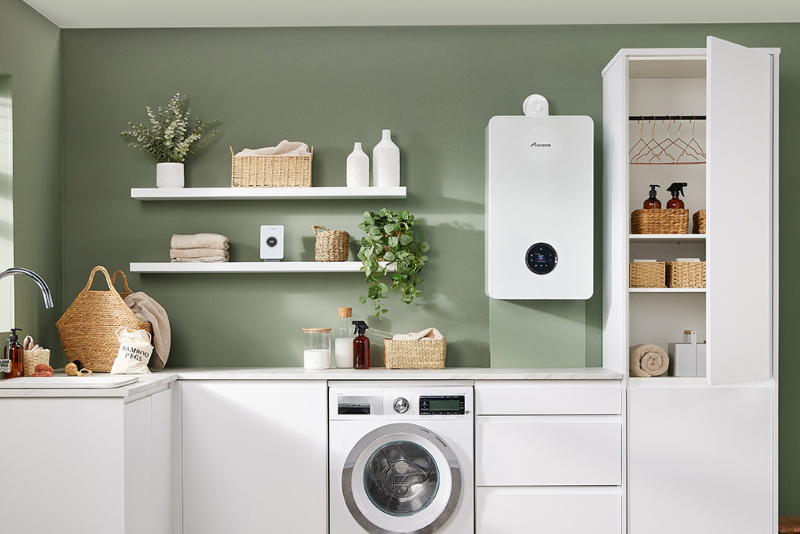
Old or unreliable boiler? Discover when it’s time to replace it and how a modern system can improve efficiency and comfort. Published: January 27, 2026

Discover how much a new boiler costs and explore flexible payment options to suit your budget, including monthly finance plans. Published: January 27, 2026

Thinking about solar panels or heat pumps? This complete 2026 guide from Smart Energy Homes explores how renewable energy systems, battery storage, and energy-efficient heating work together to reduce costs and carbon emissions. Published: December 10, 2025
From March 2027, Wales will require renewable electricity generation in every new‑build home - effectively making solar the go‑to choice for developers. Published: March 17, 2026

The 2030 EPC deadline is coming. Discover how Landlords can access free energy upgrades, increase property value, and avoid future fines.