
Wales’ Solar Mandate
From March 2027, Wales will require renewable electricity generation in every new‑build home - effectively making solar the go‑to choice for developers. Published: March 17, 2026

Installing an EV charger at home makes driving electric easier and cheaper. No more searching for public charging stations – you can recharge overnight, while you sleep, and start every journey with a full battery.
With Smart Energy Homes, you get:
Fast, safe, and professional EV charger installation
Affordable home charging solutions
Support for all major EV models
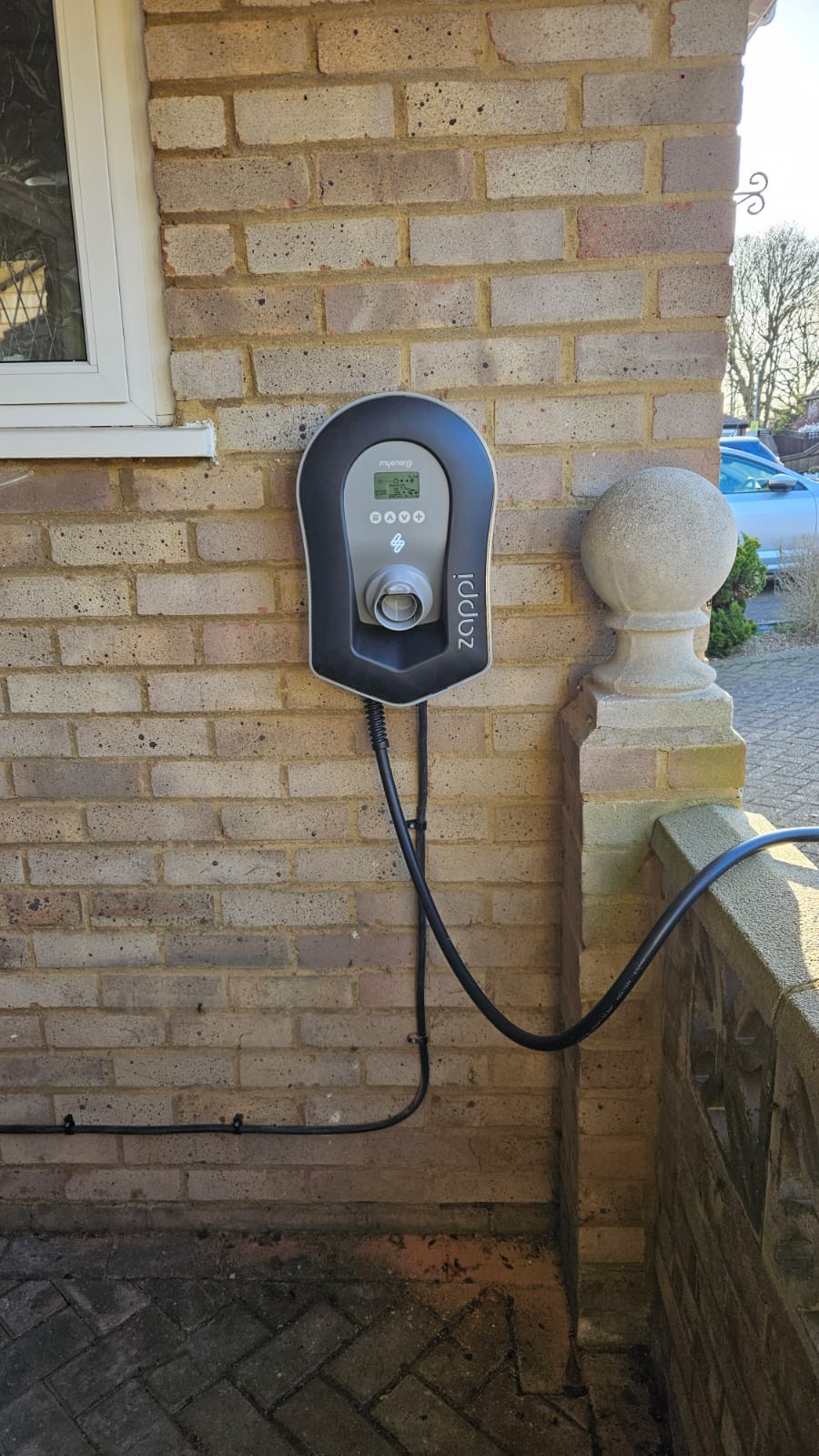
An EV home charger is a device installed at your home that powers your electric vehicle safely and efficiently. While standard plug sockets are slow, home chargers rated between 7kW and 22kW can charge your car up to three times faster.
Benefits of a home EV charger:
Charge overnight or anytime convenient for you
Avoid waiting at public charging stations
Increase the safety and lifespan of your EV battery
7.5 Kw
Smartphone app control
5m tethered cable as standard
Dimensions:
170 mm (H) x 200 mm (W) x 100 mm (D)
4 kg
Solar charging compatible
3 year warranty

7.2 kW or 22kW (subject to existing electrical supply)
Smartphone app control
6.5m tethered cable as standard
3 charging modes (eco, eco+ and fast)
Dimensions:
439 mm (H) x 282 mm (W) x 122 mm (D)
7.2 kg
Solar charging compatible
Available in black or white
3 year warranty

Up to 22 kW
Smartphone app control
7.3m tethered cable as standard
Dimensions: 345mm (H) x 155mm (W) x 110mm (D)
6.8 kg
Solar compatible
Indoor or outdoor mounting
4 year warranty
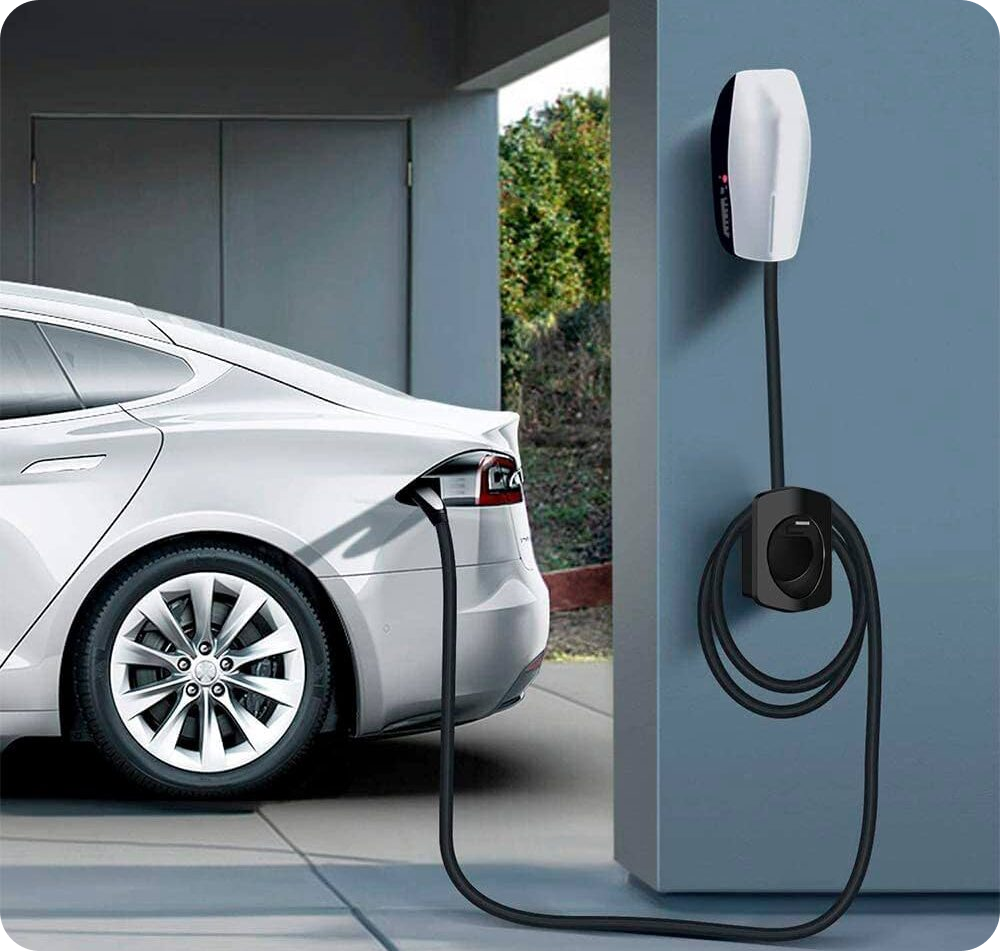
We specialise in EV charger installation for homes throughout Wales and England. Our qualified engineers design and install high-performance electric vehicle charging systems tailored specifically to your property, helping you charge faster at home, reduce running costs, protect against rising fuel prices, and support a cleaner, greener lifestyle.
Whether you’ve just bought an electric vehicle or you’re upgrading your current charging setup, we provide a complete service – from initial consultation and system selection through to professional installation and full testing.
Wales – covering all regions including South Wales, Mid Wales, North Wales, and West Wales.
South West England – including the Bristol & Bath area, Gloucestershire & The Cotswolds, Somerset & Taunton, and Wiltshire & Swindon.
Wider West & Midlands – reaching parts of Herefordshire, Worcestershire, and surrounding areas.
Here are some commonly asked questions about Electric Vehicle (EV) Charging Points, if you can’t find the answer to your question here please done hesitate to get in contact with us.
An EV home charger is a dedicated charging unit that’s installed at your property, designed to charge your electric vehicle safely and much faster than a standard 3-pin plug socket. Home chargers typically range from 7kW to 22kW, meaning they can charge your vehicle up to three times faster than a domestic plug, which only delivers 2.3kW.
Charging time depends on the size of your vehicle’s battery and the power rating of your home charger. A typical 7kW home charger will fully charge a mid-range electric car (with a 60kWh battery) in around 7-8 hours. Faster chargers (up to 22kW) can reduce this time significantly, although most EV owners charge overnight to take advantage of off-peak electricity rates.
No, EV charger installations should always be handled by a qualified, certified electrician. Professional installation ensures that the charger is connected safely to your home’s electrical system and complies with all local safety regulations. At Smart Energy Homes, all our installers are fully certified and experienced in EV charging installations.
The cost of installing an EV home charger depends on the type of charger you choose and your home’s existing electrical setup. On average, installation costs can cost between £1,500 – £2,000. However, in some cases, government grants or incentive schemes can reduce this cost.
Yes! If you have a solar panel system installed at home, you can use the energy generated to charge your electric vehicle, reducing or even eliminating your charging costs. Some EV chargers are designed to work specifically with solar energy systems, allowing you to prioritise renewable energy when charging.
The main difference between these two types of chargers is the charging speed. A 7kW charger is standard for home use and provides around 25-30 miles of range per hour of charge. A 22kW charger is faster but requires a three-phase power supply, which is not common in most homes. If you have a three-phase supply, a 22kW charger can charge your vehicle more quickly, but installation and equipment costs will be higher.
Yes, charging your EV at home will increase your electricity usage, but it is still much cheaper than paying for petrol or diesel. Charging during off-peak hours using a time-of-use tariff can further reduce costs, and you may also be able to take advantage of special EV-friendly energy tariffs.
Yes, it is possible to install more than one EV charger at home if you have multiple electric vehicles. However, the installation will need to take into account the capacity of your electrical system, and you may need to upgrade your home’s electrical supply to accommodate multiple charging points.
Yes, in most cases, you can have your EV charger removed and reinstalled at your new home. However, it’s worth considering the cost of removal and reinstallation, as it may be more cost-effective to leave the charger in place and install a new one at your new property. Having a charging point can also add value to the home you’re leaving.
All prices stated are indicative and subject to a full site survey and inspection of the property. Where installation requirements include additional cable length or unforeseen works, Smart Energy Homes reserves the right to amend the final price accordingly. Any variations will be discussed and agreed with the customer prior to installation.

From March 2027, Wales will require renewable electricity generation in every new‑build home - effectively making solar the go‑to choice for developers. Published: March 17, 2026

Octopus Energy has launched a mission to build 100,000 “Zero Bills” homes by 2030, where houses equipped with solar panels, batteries and heat pumps generate and store their own clean energy so residents pay zero home energy bills for at least five to ten years. Published: February 26, 2026

Boiler pressure plays a key role in keeping your heating system running safely and efficiently. Learn what it should be and how to fix common pressure issues. Published: January 27, 2026
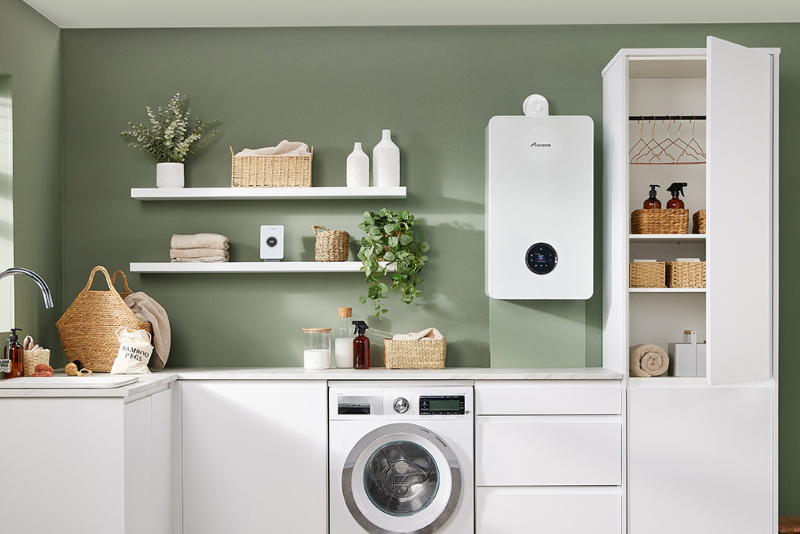
Old or unreliable boiler? Discover when it’s time to replace it and how a modern system can improve efficiency and comfort. Published: January 27, 2026

Discover how much a new boiler costs and explore flexible payment options to suit your budget, including monthly finance plans. Published: January 27, 2026

Thinking about solar panels or heat pumps? This complete 2026 guide from Smart Energy Homes explores how renewable energy systems, battery storage, and energy-efficient heating work together to reduce costs and carbon emissions. Published: December 10, 2025

At Smart Energy Homes, we know that success is all about teamwork. And who better to demonstrate this than rugby icon Scott Quinnell? In our latest video, Scott brings his legendary coaching style to the world of energy efficiency. Published: March 27, 2025

When it comes to insulating cavity walls, Climabead is the clear choice, known for its innovative approach to energy efficiency and home comfort.
At Smart Energy Homes, we know that success is all about teamwork. And who better to demonstrate this than rugby icon Scott Quinnell? In our latest video, Scott brings his legendary coaching style to the world of energy efficiency. Published: March 27, 2025
When it comes to insulating cavity walls, Climabead is the clear choice, known for its innovative approach to energy efficiency and home comfort.
